Your operation requires regular sanitation protocols tailored to specific risks, processing volumes, food allergens, and inspection schedules, with verifiable documentation confirming HACCP requirements, inspection compliance, and health department standards. The information following give details about essential cleaning protocols.
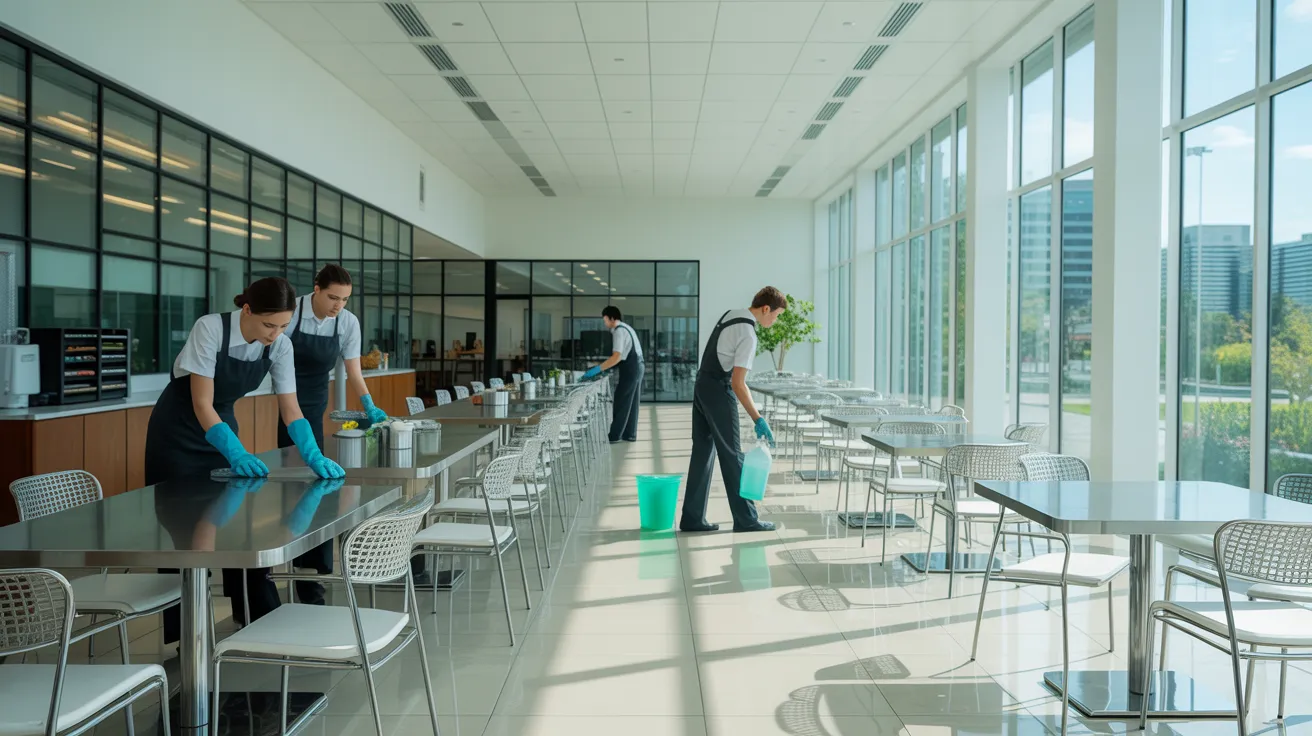
Essential Summary
- Brampton food safety cleaning experts service restaurants, grocery departments, commissaries, warehouses, bakeries, schools, mobile vendors, and allergen-sensitive operations.
- Frequently contacted areas, food-contact equipment, kitchens, floors, drains, restrooms, and storage areas are cleaned using zone-based workflows to reduce cross-contamination.
- Confirmation of proper chemical concentration, compatibility, and contact time is completed by certified specialists, with conclusion filed using swabs, audits, and corrective-action records.
- Everyday, regular, and periodic tasks assigned by location form hygiene calendars grounded on hazard, production volume, transitions, releases, and standards.
- Highlight contractors exhibiting HACCP, public-health competency, WHMIS instruction, coverage, credentials, colour-coded instruments, and audit-ready maintenance files.
Which Brampton Operations Need Food Safety Cleaning?
Any Brampton facility that manages, stores, prepares, packages, or serves food needs hygiene cleaning. You must follow it if your operation falls under public health review, food rules, or HACCP systems. That requirement covers food service venues, employee cafes, supply centers, retail departments, meat shops, fish areas, local stores, and institutional food prep areas.
You'll furthermore need adherent sanitation standards in warehouses, food manufacturing plants, cold storage sites, retail bakeries, school nutrition programs, banquet halls, and meal delivery hubs. Mobile and temporary businesses apply too, such as mobile kitchens, market vendors, and seasonal booths. Should your staff prepare supplies, portion finished foods, reheat items, or manage allergen inventory, your facility requires written cleaning standards. In Brampton, cleanliness is mandatory; it constitutes legal, operational, and consumer protection compliance.
What Services Do Brampton Cleaning Experts Provide?
Professional cleaning services specializing in Brampton sanitize touched surfaces, food preparation areas, floors, and restrooms to satisfy food safety standards and health requirements. Emphasis on these spaces stems from extreme cross-contamination risk, injury hazards, and compliance issues.
When you understand what they clean, you can verify that your facility's cleaning scope meets operational and regulatory requirements.
Essential High-Touch Surface Disinfection
create a cleaning plan
validate proper sanitization
Kitchens, Floors, and Restrooms
Brampton cleaning services focus on kitchens, floors, and restrooms as each zone involves different food safety, slip-and-fall, and wellness risks. In industrial kitchens, you need degreasing on cook lines, equipment exteriors, drains, prep surfaces, and splash zones to minimize bacterial growth and pest activity.
Floor care that is documented should equally be anticipated. Technicians scrub and extract buildup from grout, tile, and vinyl flooring, then apply appropriate drying controls so you can reduce slip incidents and maintain code-compliant conditions. They also address entryways where moisture and debris migrate indoors.
Restroom sanitation requires decontaminating touch areas, bathroom equipment, stall barriers, supply stations, and bins, replacing items and managing smells. They also maintain restaurant cleaning supply rooms where product storage, sink cleanliness, and drain systems impact daily sanitation standards and worker protection.
How Food Safety Cleaning Benefits Brampton Operations
In Brampton, you must maintain food-safe cleaning standards to meet health read this article code requirements and pass inspections. You also reduce bacterial spread through proper cleaning of food-preparation surfaces, appliances, and frequently-touched items. Most importantly, you safeguard public health by lowering the risk of foodborne illness in your facility.
Food Safety Regulations
Brampton food operations must comply with stringent health requirements, so cleaning procedures is vital to fulfilling health codes, ensuring the safety of customers, and sidestepping penalties. You must maintain sanitized food contact points, recorded sanitation plans, proper chemical use, and documented employee protocols that correspond to municipal and provincial inspection expectations.
Inspectors assess your operation to establish that your cleaning program maintains protected inventory management, appliance cleanliness, refuse management, and bathroom upkeep.
Cross-Contamination Avoidance
Meeting health code standards also depends on your ability to prevent cross-contamination during routine food preparation and sanitation. You must keep raw items away from prepared dishes, clean work areas after each use, and store chemicals away from food-contact items. Clear procedures reduce transfer risks and support consistent compliance during inspections.
Implementing allergen segregation helps ensure major allergens don't touch shared surfaces, containers, or equipment. Utilize separate boards, color-labeled items, and clear tool marking so staff don't mix items during preparation or service. Require handwashing after handling raw meat, seafood, eggs, or allergen-containing products. Refresh cleaning cloths often, and validate disinfectant levels using test strips. When your team learns these guidelines every shift, you create a cleaner, safer operation that satisfies Brampton's food safety needs regularly.
Community Health Protection
If food safety cleaning declines, you don't merely risk a failed inspection—you amplify the risk of pathogenic contamination harming customers, staff, and the broader Brampton area. You also weaken your role in protecting public health, especially in busy food facilities where contamination can spread quickly through surfaces, equipment, and touchpoints.
You need cleaning protocols that remove soils, disinfect properly, and confirm effectiveness. That means following exposure periods, using approved disinfectants, documenting schedules, and training staff to meet health-unit expectations. These controls support disease prevention by reducing pathogens before they contaminate surfaces or food. In Brampton, rigorous cleaning shields at-risk groups, prevents disease spread, and helps you demonstrate due diligence. When you maintain proper standards, you don't just meet regulations—you actively reduce risk and support safer food service throughout the region.
How Does Cleaning Support Food Safety Compliance?
Implementing comprehensive cleaning schedules enhances food safety compliance by reducing contamination risks, managing pathogen expansion, and positioning your facility in accordance with sanitation requirements under HACCP-based programs and public health regulations. You ensure that contact surfaces are visibly clean and microbiologically controlled, facilitating documented preventive controls and inspection readiness.
Strategic cleaning practices also enhance allergen management by eliminating residues that can provoke undeclared allergen exposure.
Determining When to Plan Commercial Cleaning
You'll find the best results from cleaning routines that reflect risk, production volume, and regulatory requirements rather than a rigid calendar system alone.
Regular tasks should be planned separately
What Should You Look For in Brampton Cleaning Experts?
Start by screening providers against food-safe sanitation requirements, not cost only. You should verify that each company understands CFIA, public health, and HACCP-aligned expectations relevant to your facility. Ask for insurance documentation, WHMIS compliance, documented staff training, and supervision practices. Review whether technicians understand cross-contamination risks, chemical handling, and traceable sanitation records.
Additionally, you need to evaluate service dependability and accountability. Obtain references from Brampton food operations, then review response times, corrective measures, and communication standards. Verify the company supports supplier audits and can deliver inspection-ready documentation when inspectors or external parties need proof. Verify equipment upkeep, colour-coded tools are applied correctly, and site-specific hazards are identified. A qualified provider ensures compliance, product integrity, and your reputation.
Which components are contained in a Food Safety Cleaning Plan?
Document a framework that outlines every sanitation activity, guideline, and role before starting production. You should include cleaning schedules, approved products, ratios, contact periods, tools, and validation approaches for each area, surface, and device. Ensure you include pre-operational inspections, corrective actions, and employee training requirements.
Your plan should also address contamination prevention controls, waste handling procedures, pest management measures, and written schedules for rest areas, drains, flooring, and food-contact surfaces. Detail how you'll keep raw and ready-to-eat processes separate, facilitate ingredient tracking, and ensure accurate allergen labeling through validated cleaning between product changes. You should assign accountability, keep signed records, and assess results against regulatory standards, HACCP controls, and customer requirements. When gaps appear, modify procedures immediately and retrain staff.
Popular Asked Inquiries
Do sanitation providers work during nighttime hours at Brampton properties?
Yes, you can schedule cleaning services to accommodate overnight shifts in Brampton facilities. You'll arrange nighttime cleaning around operational schedules, access controls, and personnel needs. Providers typically map overnight procedures to minimize interruption, ensure adherence, and document completed tasks. You should confirm response times, oversight, lockout procedures, and waste handling before service begins.
Will Brampton cleaning experts respond to hazardous incidents?
Yes, you can expect Brampton cleaning experts who offer emergency spill response services. They manage hazardous materials, evaluate dangers, contain contamination, and begin swift cleanup to minimize risk and avoid operational disruption. You should verify arrival timeframes, professional credentials, safety procedures, and disposal procedures. If your facility must meet regulatory requirements, choose a provider that documents incidents, maintains regulatory procedures, and enables compliance verification.
Are green disinfectants appropriate for surfaces contacting food?
In essence, eco-friendly disinfectants remain safe for food-contact surfaces provided you select items marked food-safe that comply with compliance requirements. Verify exposure duration, mixing proportions, and rinse requirements in advance of use. Natural-based solutions decrease toxic chemical contact, although you require confirmation of performance against specific pathogens. To preserve residue-free areas, implement manufacturer directions precisely and verify the cleaning agent meets applicable food industry sanitation standards.
Can sanitation programs be adjusted for seasonal variations?
Without question, maintenance plans customize readily for seasonal variations. Adjust schedules, staffing, chemicals, and verification steps to match production rhythms while maintaining regulatory adherence. Lower equipment downtime by scheduling sanitization surrounding equipment transitions, maximum output, and operational patterns. Also update standard operating procedures, employee training, and environmental monitoring to reflect temporary risks, novel allergens, or higher contamination levels. Ongoing evaluations ensure the strategy efficient.
Do commercial cleaning providers instruct your team in proper hygiene techniques?
Certainly, professional cleaning experts coach your employees on hygiene protocols. You secure employee development on correct chemical practices, contact times, cross-contamination prevention, machine disassembly, and documentation procedures. They typically align coaching with HACCP, GMP, and CFIA or regional health bodies standards. Many execute sanitation audits to verify compliance, identify gaps, and reinforce corrective actions. This enables you to maintain consistent procedures, satisfy audits, and minimize foodborne pathogen risks every day.
Closing Remarks
By partnering with Brampton commercial cleaning and food safety professionals, you aren't simply tidying—you maintain your facility compliance-focused and your standards in compliance. From production areas to kitchen zones, every sanitized surface and organized space decreases contamination and avoids expensive losses. By arranging service at appropriate intervals and following a documented cleaning plan, you protect your team, clients, and your standing. In a strictly regulated industry, hygienic conditions are mandatory—they're key to business compliance.